USCIS I-131 Processing Time
Form I-131, Application for Travel Document, is used to request an advance parole document, a reentry permit, or a refugee travel document. It is commonly filed by adjustment-of-status applicants who need to travel abroad, lawful permanent residents planning an extended trip, and others with a pending or approved immigration benefit.
Processing times for Form I-131 vary depending on the type of travel document requested and whether the application is filed concurrently with another petition, such as Form I-485. Many applicants in concurrent filing scenarios receive their travel document alongside their work permit while their underlying petition is still pending.
To help applicants stay informed, Track My Visa provides free case tracking and backlog insights for I-131 applications. By joining our platform, you can follow your case progress, explore real-world processing patterns, and better understand where your application stands, all at no cost. Basic tracking and insights are free forever as part of our commitment to supporting I-131 applicants.
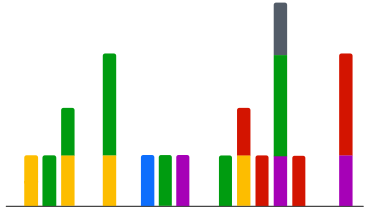
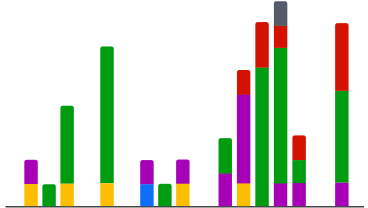
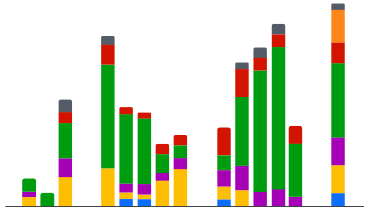
I-131 application flow

Every Form I-131 application begins in the Received status once USCIS has accepted the filing into its system. An I-131 can be filed on its own or concurrently with another form, such as Form I-485.
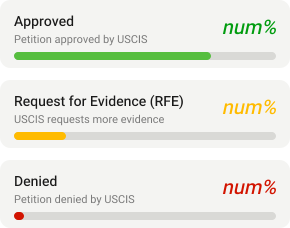
Some applicants may be scheduled for a Biometrics appointment at a local Application Support Center (ASC). In some cases, USCIS may request additional information before making a decision. This step is shown as RFE, short for Request for Evidence. Once the requested evidence has been received, the status will update to RFER.
After review, an I-131 application is either Approved or Denied. When an application is approved, USCIS produces and mails the physical travel document. This final production and mailing step is shown as Card Issued.
To learn more about each status, visit our FAQ.
What does the current case backlog look like?
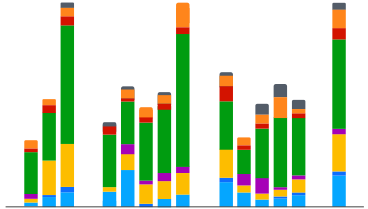
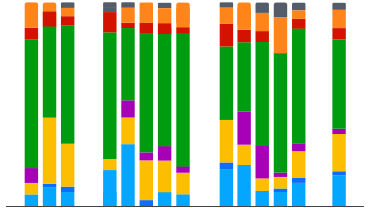
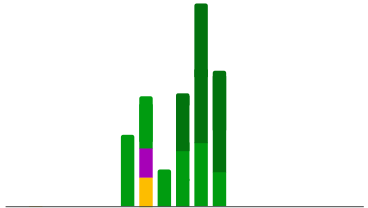
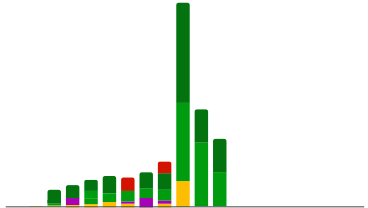
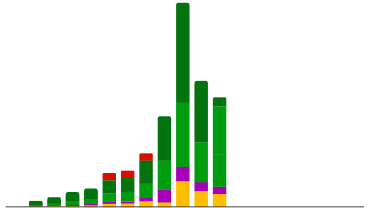
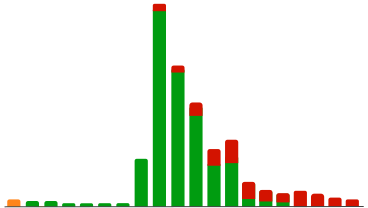
The chart below shows the current status of Form I-131 applications being tracked on Track My Visa.
The case backlog chart helps applicants understand how cases are moving through the I-131 process and where similar applications currently stand. Cases are grouped by the month each application was filed. Newer filing months typically have a higher share of cases in Received because those applications are still waiting for USCIS review. As filing months get older, more cases may move into later statuses such as Biometrics, RFE, Approved, Card Issued, or Denied.
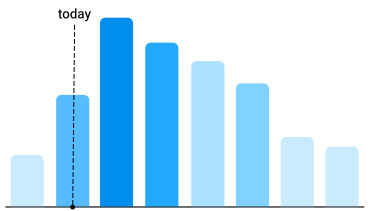
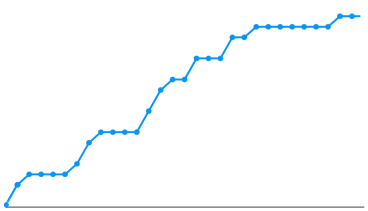
The chart is based on I-131 cases tracked on Track My Visa. We are actively growing our I-131 community: the more applicants who join, the more accurately the chart reflects real-world processing patterns. Join now to see USCIS processing activity graphs and a zoomed in view of the backlog chart, all for free!